How Everyday Animal Lovers Can Help Keep Shelter and Rescue Pets Fed, Seen, and Safe
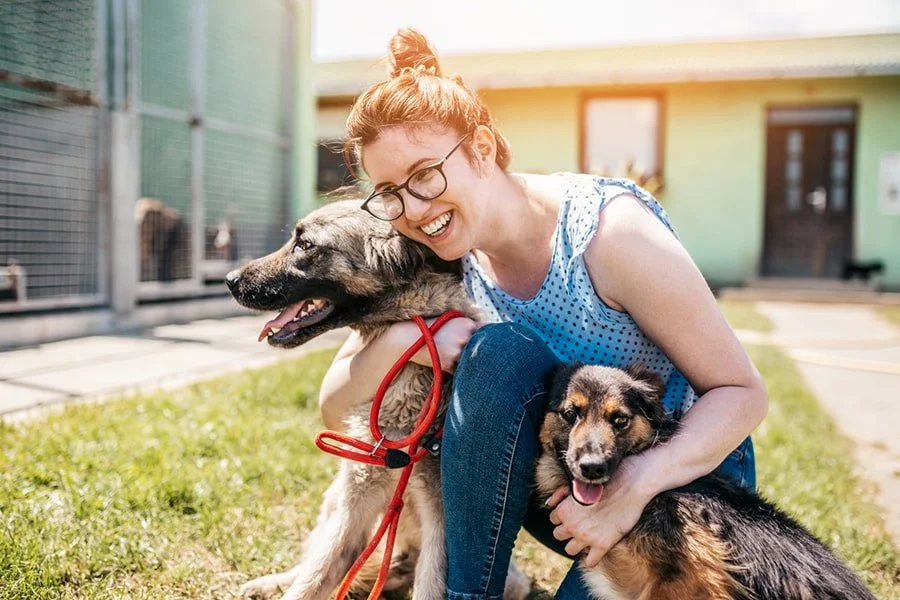
Every day, shelters across the country care for animals waiting for homes. Yet, not everyone is in a position to adopt, and that’s perfectly okay. The good news is that there are countless ways to make a lasting difference for rescue pets without bringing one home.
Quick Takes
● Volunteering your time or skills can have as much impact as adoption.
● Donations—monetary, food, or supplies—directly improve animal welfare.
● Fostering short-term provides animals with love and stability before adoption.
● Raising awareness through creative campaigns helps shelters reach adopters.
● Supporting local rescue events amplifies community engagement.
Lend Time and Skills Where It Matters Most
Shelters depend heavily on community involvement. Beyond feeding and cleaning, volunteers play crucial roles in photography, social media, and even grant writing. Each task reduces staff burden and directly improves the chances that animals find homes. Here are some high-impact ways to contribute:
● Transportation help: Drive animals to vet appointments or adoption events.
● Social media support: Help shelters maintain active Instagram or Facebook pages to showcase adoptable pets.
● Event organization: Plan or assist with local fundraising and adoption fairs.
● Training support: Offer obedience classes for shelter dogs to boost their adoptability.
● Photography and storytelling: Great images and heartfelt bios can turn browsers into adopters.
Turn Compassion into Creative Advocacy
Another powerful way to help is by spreading awareness. Designing and sharing flyers can reach people who might not see online campaigns. With tools like a free online printable flyer maker, anyone can create professional-quality materials to promote adoption events, fundraisers, or educational initiatives. These easy-to-use templates allow even beginners to produce eye-catching flyers that can be printed or shared digitally.
Posting them in community centers, coffee shops, or pet stores brings attention where it’s most effective, right in your neighborhood. Every flyer becomes a small but significant step toward finding a forever home for a deserving animal.
What Shelters Need Most
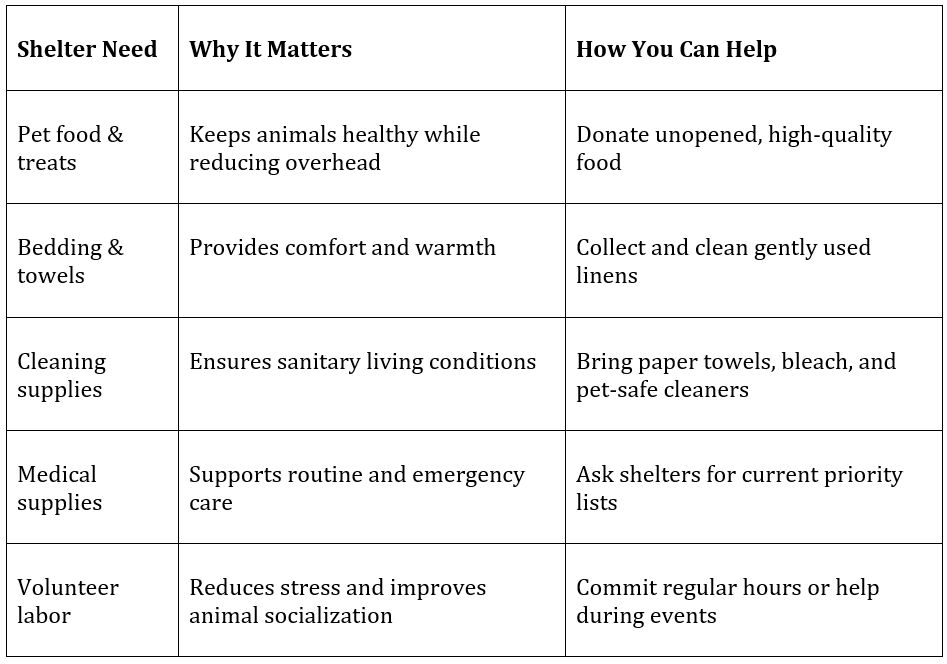
Before donating or volunteering, it helps to know what items and services are in highest demand.
A Hands-On Plan for Helping Local Rescues
Getting started doesn’t require experience, just consistency and heart. Here’s a simple how-to checklist:
● Research nearby shelters and find one whose mission aligns with your values.
● Reach out directly to learn their most urgent needs, as each shelter is unique.
● Set realistic goals, like volunteering one Saturday per month or donating quarterly.
● Leverage your network by encouraging friends or coworkers to join your efforts.
● Track your impact: every hour, dollar, or share makes a measurable difference.
Frequently Asked Questions
How can I help if I have limited time?
Even one or two hours a month can make a difference. Consider short-term tasks like dog walking, transporting animals, or helping manage social media posts. Many shelters welcome micro-volunteering opportunities that fit into busy schedules.
Is donating money better than donating items?
Both forms of giving are valuable, but monetary donations allow shelters to address immediate priorities, such as medical emergencies or food shortages. If possible, check the shelter’s wish list before deciding how to contribute.
Can I foster a pet temporarily?
Yes. Fostering offers short-term refuge to pets recovering from surgery or waiting for adoption. It helps animals adjust to home environments and frees up shelter space for others in need.
Are there ways to help without visiting the shelter?
Absolutely. Remote volunteers are needed for content creation, online fundraising, and virtual adoption support. Even digital advocacy—sharing posts or creating flyers—amplifies visibility and drives community engagement.
What if I can’t afford to donate?
You can still help immensely by offering time, creativity, or outreach. Many shelters need ambassadors to spread the word, recruit other volunteers, or help at community events. Your compassion is currency that shelters deeply value.
Do shelters accept corporate partnerships or sponsorships?
Yes, many do. Businesses can provide sponsorships for events, match employee donations, or host adoption days. It’s a win-win: community goodwill and direct animal welfare impact.
Closing Thoughts
Supporting rescue animals doesn’t begin or end with adoption; it thrives in everyday choices that extend kindness and action. Whether you create awareness flyers, walk dogs on weekends, or rally your community around a fundraiser, your contribution strengthens the invisible network of care that keeps shelters alive. In helping them, you become part of every happy ending that follows.