Design a Stylish, Durable Dog-Friendly Home That Works for Everyone
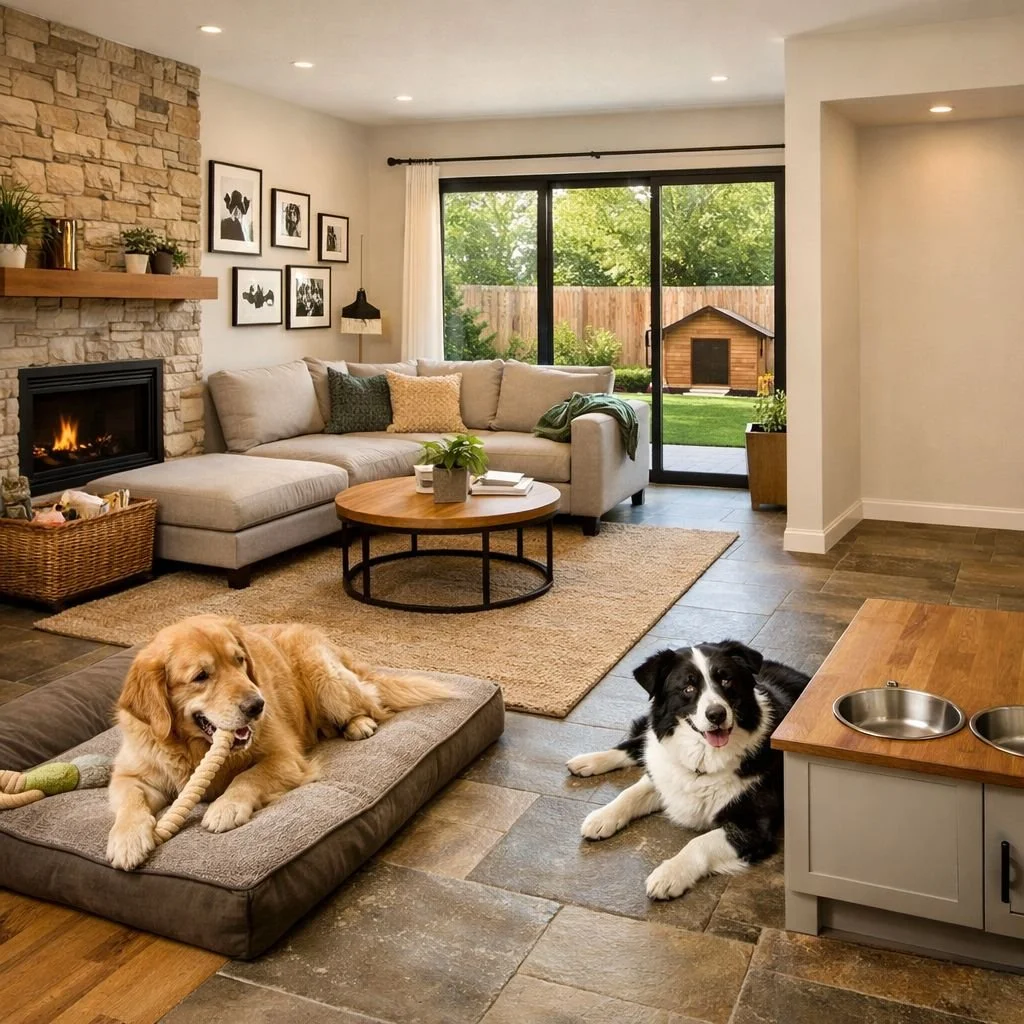
For dog owners balancing busy schedules with in-home pet care, a beautiful space can feel like a constant tradeoff with muddy paws, shedding, scratching, and the daily shuffle of leashes and toys. The core tension is simple: stylish pet-friendly interiors often prioritize appearance, while real life demands functional dog spaces that protect floors, furniture, and routines. The good news is that dog-friendly home design is less about lowering standards and more about making smarter choices. With the right pet-safe home materials and a clear plan, the home can stay welcoming, cleanable, and confidently lived-in.
Understanding Dog-Friendly Design Principles
Dog-friendly design is the habit of planning your layout and finishes around how your household actually moves. That means separating high-traffic pet routes from quieter human zones, then choosing materials that handle claws, drool, and daily messes. Many homes start with scratch-resistant flooring and other tough surfaces so style does not become a constant upkeep project.
This matters because a smart setup reduces the time you spend cleaning between visits from a dog walker or sitter. It also helps guests and caregivers follow your routines fast, since leashes, towels, and feeding areas have obvious “homes.” The result is a space that looks pulled together even on rushed weekdays.
Picture the front door as a mini mudroom: a washable runner, hooks for gear, and a spot for paw wipes. A durable floor along that path and a cozy lounge zone elsewhere keeps the whole room feeling calm. Many owners treat waterproof scratch-resistant flooring as a baseline for that reason.
Choose Upgrades That Pay Off: Floors, Feeding, and Outdoor Safety
The best dog-friendly upgrades do double duty: they protect your home from everyday wear while making routines easier for everyone (including pet sitters and dog walkers who help in your space). Start with the highest-traffic areas and build outward so each change supports the zones and surfaces you’ve already prioritized.
Upgrade to scratch-resistant, easy-clean flooring in “dog lanes”: Identify the routes your dog takes most, front door to living room, kitchen to backyard, hallway to crate, and focus flooring upgrades there first. Luxury vinyl plank (LVP), porcelain tile, and sealed concrete are popular because they resist scuffs and handle muddy paws without fuss. If you love real wood, choose hardwood finished with an aluminum oxide finish to add a tougher protective layer against nail scratches.
Add washable traction where slipping and spills happen: Even with durable floors, rugs and runners help dogs feel stable, especially puppies, seniors, and post-grooming zoomies. Use low-pile, washable rugs with non-slip pads in entryways and along hallways, and keep a small “towel + paw wipes” basket by the door. This is one of the fastest, renter-friendly ways to reduce scuffs, falls, and that constant gritty feel underfoot.
Build a feeding station that contains mess (and looks intentional): Create a dedicated feeding zone with a waterproof surface and a backstop wall that can be wiped down, think a tucked-in nook, a base-cabinet pullout, or a built-in shelf at bowl height. Include a drawer or bin for food, a hook for the leash, and a spot for meds so your routine stays consistent even when a pet sitter is handling meals. If you’re remodeling, a small floor drain in a mudroom or laundry area makes bowl washing and splash cleanup even easier.
Choose durable pet furniture and “human-first” upholstery placement: Instead of treating the sofa as the only dog hangout, add a supportive dog bed or built-in bench in the room where people actually relax. Pick performance fabrics, tightly woven upholstery, and removable covers, then place pet-friendly pieces near your dog’s favorite window or alongside the family seating to reduce furniture hopping. When you do invest in seating, prioritize surfaces that can handle hair and nails, many homeowners specifically seek pet-friendly furniture for that reason.
Secure the yard before you beautify it: A safe outdoor space starts with containment. Walk the fence line monthly, check for loose boards, gaps under gates, and spots where digging has started, then patch immediately. If you’re adding fencing, aim for climb-resistant vertical pickets or tight wire spacing, and use self-closing, latching gates, small details that matter when delivery drivers, kids, or pet care pros come and go.
Landscape for dog-safe play without sacrificing curb appeal: Designate a clear potty/run zone (gravel, mulch, or turf) and keep your “pretty” plantings behind low borders to reduce trampling. Store fertilizers and other garden chemicals in secure areas so curious noses can’t reach them, and choose hardy, non-toxic plants when possible. A simple path from door to play area also cuts down on mud tracked through the house.
Quick Answers for a Dog-Proof, Stylish Home
Q: What are the best flooring options that resist scratches and stains from dogs while still looking stylish?
A: Prioritize hard-wearing surfaces that clean fast, like luxury vinyl plank, porcelain tile, or sealed concrete, then choose a matte or textured finish to hide everyday scuffs. If you prefer wood, look for tough topcoats and keep a simple maintenance plan: trim nails, use entry mats, and spot-clean quickly to prevent staining. Ordering a few large samples and testing them with water, kibble dust, and a damp towel helps you pick with less stress.
Q: How can I design built-in feeding stations that are convenient for my dog and easy to clean?
A: Aim for a contained “meal zone” with a waterproof base, a wipeable backsplash, and a small lip or recessed tray to catch splashes. Add closed storage for food and meds so pet care pros can follow your routine without hunting through cabinets. Place it away from main walkways to reduce tripping and keep the space calm.
Q: What are effective ways to create a safe and attractive outdoor space for my dog that doesn't compromise my property's value?
A: Start with secure boundaries and self-latching gates, then layer in a defined potty/run area so the rest of the yard stays photo-ready. Choose durable, low-mess materials and keep planting beds protected with subtle edging to prevent wear patterns. For safety beyond the fence, approximately 20% of pets' microchips are not linked to any registries, so updating registration supports quick reunification if a gate is left ajar.
Q: How can I balance durable, pet-friendly materials with a warm and inviting home atmosphere for both family and pets?
A: Use “soft layers” to warm up sturdy choices: washable rugs, textured throws, and slipcovers can make tough surfaces feel cozy without adding fragility. Keep a dedicated dog rest spot near where people gather so your furniture is not the default dog bed. Consistent storage for leashes, towels, and treats reduces visual clutter and makes the whole home feel calmer.
Q: What steps can I take to protect my home’s structural integrity and value when making dog-friendly modifications, especially from unexpected damages?
A: Choose reversible, low-risk changes first, like protective wall panels in splash zones, removable gates, and sealed finishes in wet areas. Document upgrades and keep receipts, and if you are buying or building, consult Texas home builder warranty coverage as a separate reference for what is covered and how to file a claim. For households with service animals, service animals exempt fees like pet deposits in many housing situations, which can reduce financial stress while you budget for durable improvements.
Small, thoughtful choices add up to a home that feels easier to live in every day.
Dog-Friendly Home Upgrade Checklist
This quick dog-friendly home checklist helps you spot the highest-impact upgrades without overthinking details. It also makes it easier to brief in-home pet care services, so visits run smoothly and your home stays tidy and secure.
✔ Confirm scratch-resistant, easy-clean flooring in busiest pet routes
✔ Set a contained feeding zone with waterproof base and wipeable surfaces
✔ Store food, meds, and treats in one labeled, closed cabinet
✔ Install secure gates and self-latching exterior access points
✔ Create a defined potty area to protect the rest of the yard
✔ Add washable layers like rugs, throws, and slipcovers for warmth
✔ Place a dedicated dog rest spot near daily family activity
Check these off, and your home will support calmer days and easier care.
Create a Stylish, Durable Home That Supports Life With Dogs
Balancing a beautiful home with muddy paws, shedding, and everyday wear can feel like a constant trade-off. A thoughtful, dog-friendly design mindset, planning for durability, safety, and comfort from the start, keeps pet spaces functional without sacrificing style. The long-term value of dog-friendly design shows up in fewer repairs, calmer routines, and more harmonious living with dogs and the people who love them. Design for real life, and both your home and your dog will thrive. Choose one checklist item to address today, such as swapping in a tougher entry mat or simplifying a high-traffic zone. These small choices protect health, reduce stress, and build a home that stays welcoming through every season of life together.