How to Start a Successful Pet Treat Bakery and Make Your First Sale
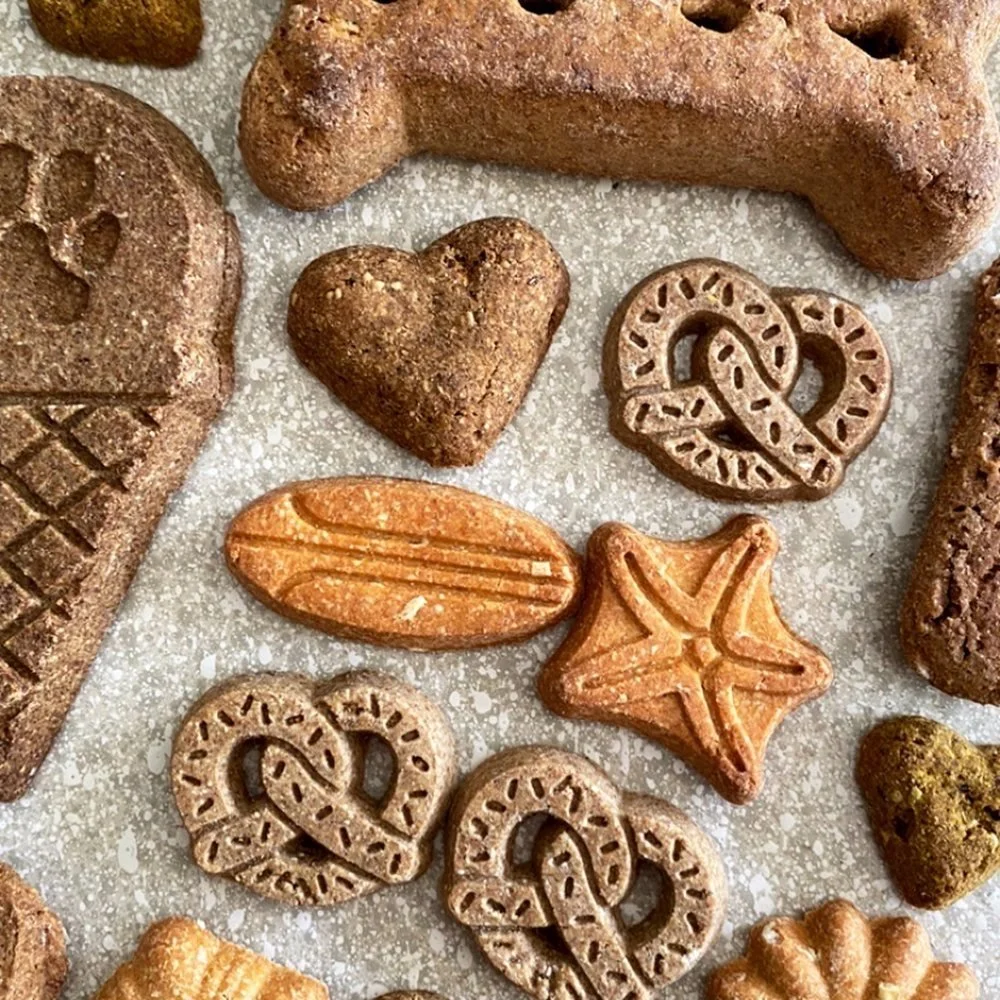
For pet owners as entrepreneurs who already prioritize quality care and calm routines, a pet treat bakery startup can be a practical way to serve neighbors while building extra income. The pet bakery market opportunity is real, but the core tension is just as real: homemade pet treats have to stand out from lookalikes, meet safety expectations, and earn trust fast. Many beginners get stuck between wanting to keep recipes simple and needing to run a small pet food business that feels professional. With the right foundation, a first sale can follow naturally from credibility.
Quick Summary: Starting a Pet Treat Bakery
● Define a simple business plan so you know what to tackle first and what can wait.
● Develop pet treat products with a clear focus before expanding your lineup.
● Handle basic regulatory compliance early to sell confidently and responsibly.
● Start marketing your pet bakery with practical steps aimed at landing your first sale.
Launch Your Pet Treat Bakery Step by Step
Here’s one way to move from idea to first sale.
This launch plan helps you go from “I can make healthy treats” to a small, legal, ready-to-sell pet treat bakery. It matters for pet owners who rely on dependable, local pet care and dog walking services because a well-run treat business can become a trustworthy add-on that saves time and keeps routines consistent.
Step 1: Choose your business model and first buyer
Start with a simple decision: sell direct-to-pet-parents (pickup, delivery, farmers markets) or partner with local pet pros (walkers, sitters, groomers) for referral sales. Define one “starter product line” of 2 to 4 items and a clear promise such as limited-ingredient, allergy-aware, or training-sized treats. This focus keeps costs predictable and makes your first sale easier to engineer.Step 2: Source ingredients and lock in a safety standard
Make a short list of suppliers and decide what you will and will not use, then document it so you can repeat it every batch. Ask for ingredient labels, lot numbers, and storage guidance, and set a rule for freshness and shelf life so you do not hand customers anything you would not give your own dog. If you want to ride the demand for alternative options, the plant-based ingredient market can help you justify stocking a few plant-forward basics while keeping formulas simple.Step 3: Develop recipes and price for repeat orders
Test one recipe at a time, tracking exact weights, bake time, yield per batch, and how long treats stay crisp or soft in the bag. Then set a price using a basic equation: ingredient cost per bag plus packaging plus your time, leaving room for small discounts to dog walkers or pet sitters who buy in bundles. A growing category like the market for homemade pet treats is expected to grow 9.4% through 2032, which can support starting small, validating demand, and scaling only what sells.Step 4: Secure licenses and permits, then standardize labeling
Contact your city or county offices and your state department of agriculture to confirm what approvals apply to pet food or pet treats where you live. Decide your label essentials early, including ingredients, net weight, best-by date, storage instructions, and a clear “for pets” statement, so every package looks consistent. This reduces last-minute delays and builds trust with busy pet owners who want clarity.Step 5: Set up equipment and run opening-day operations
Choose the minimum setup that ensures consistent batches: an accurate scale, baking trays, cooling racks, food-safe containers, labels, and a simple order log. Do a dry run the day before launch, then on opening day produce one planned batch, pack immediately, confirm inventory counts, and deliver or hand off orders on a tight schedule. Close the day by noting what sold fastest and what questions customers asked, so your next production run is smarter.
You only need one focused product and one clean process to earn that first “yes.”
Plan → Bake → Deliver → Review
This workflow turns your launch steps into a weekly operating rhythm so you can stay consistent without overproducing. For pet owners who depend on reliable, local pet care and dog walking services, consistency matters because treats need to be available on schedule, labeled clearly, and delivered when promised. Think of a workflow as a way to coordinate them at a higher level so planning, production, and fulfillment do not compete for attention.
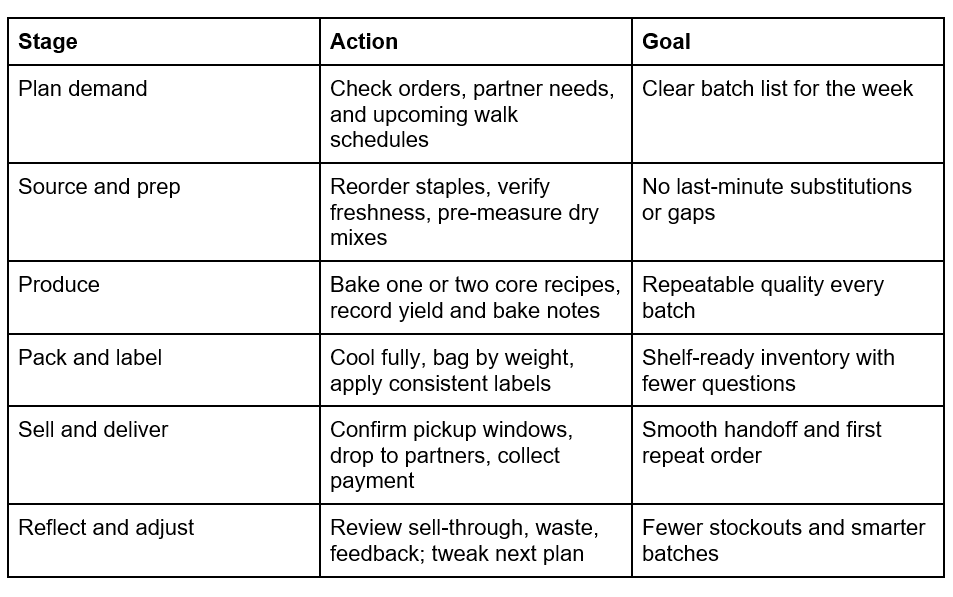
When you run this loop, planning makes baking calmer, and baking makes delivery predictable. The review step closes the gap between what you made and what customers actually bought, which steadily improves margins and reliability.
Start small, run the loop once, then let the next week get easier.
Common Questions Before Your First Pet Treat Sale
A few quick answers can make the start feel steadier.
Q: What are the first steps to take when planning to open a pet treat bakery?
A: Start with 1 to 2 simple recipes, a clear target customer like busy dog-walking clients, and a basic cost-per-batch sheet. Confirm pet food safety expectations and labeling requirements early since the Federal Food, Drug, and Cosmetic Act sets the baseline for safe, sanitary, truthfully labeled animal food. Then check local licensing, kitchen rules, and sales tax needs before you accept orders.
Q: How can I manage the stress and uncertainty that comes with starting a new venture like a pet treat bakery?
A: Reduce uncertainty by choosing one small goal per week, such as testing one recipe or selling ten sample bags. Keep a simple checklist for compliance, production, and delivery so decisions do not pile up in your head. Ask a few trusted pet owners for feedback and treat it as data, not a verdict.
Q: What strategies help simplify the process of sourcing ingredients and supplies for homemade pet treats?
A: Build a short “approved list” of ingredients you can reliably restock, and avoid constant substitutions that change texture and shelf life. Buy packaging in small runs first, then scale once you see repeat demand. Keep receipts and item specs together so pricing and allergen notes stay consistent.
Q: How do I balance the demands of creating quality pet treats while handling day-to-day operations smoothly?
A: Limit your menu early and standardize portion size, bake time, and cooling so quality stays predictable. Block admin tasks like invoicing and messages into one daily window, instead of interrupting production. Do quick pricing checks since insights into what potential clients are willing to pay can keep you confident and profitable.
Q: What resources can help me build the foundational skills needed to confidently launch and manage my pet treat bakery?
A: Look for local small-business offices, food safety guidance, and community classes that cover permits, bookkeeping, and basic marketing. If budgeting and leadership feel like gaps, a structured course or workshop can help you practice planning, cash tracking, and decision-making. Check this out for an example of a structured option. Turn what you learn into a simple 90-day plan with one sales channel, one production routine, and one cost-control target. Pick one action today and let momentum do the calming.
Make Your First Pet Treat Sale With a Simple Next Step
Starting a pet treat bakery can feel like a tug-of-war between excitement and worries about safety, rules, and finding customers. The path forward is a steady, entrepreneur’s mindset: validate what you make, follow clear requirements, and build trust through consistent quality and community engagement in pet care. When those pieces align, the pet treat bakery benefits become real: repeat buyers, word-of-mouth momentum, and business growth potential that can expand at a pace that fits life. A small, compliant start beats a perfect plan every time. Choose one next action today: test one recipe batch, confirm licensing needs, or set up your first sales channel. Done well, this work supports healthier pets, stronger neighborhood connections, and a more resilient income stream.